
Careers in art and design
Further than you think. Art and design skills are used in film studios, hospitals, museums, building sites and every brand you buy from.
Scanned the poster? Here are the six worlds where creative careers happen, 25 careers in art and design to explore, the skills you are already building, and the routes in at 16 and later. The creative industries are one of the biggest employers in the UK, so there is a career path here for lots of different people.
Meet a creative
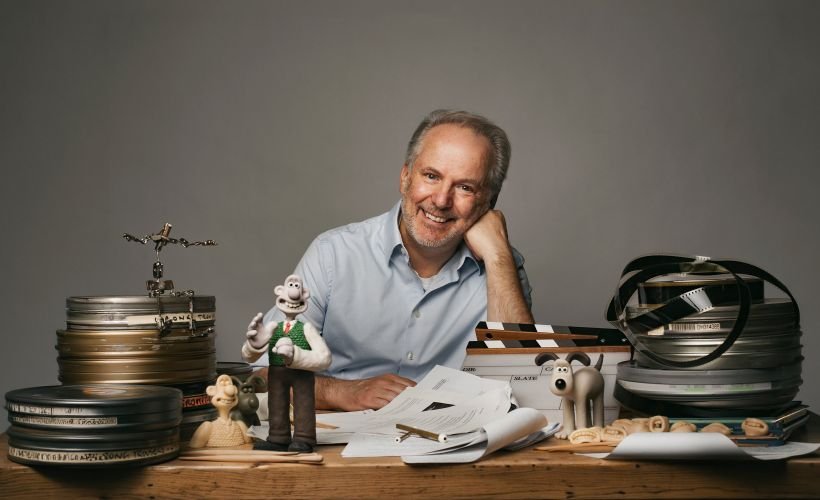
Nick Park, the animator behind Wallace & Gromit
Nick Park started making animated films at home as a teenager. He studied communication arts at Sheffield, then animation at the National Film and Television School, where he began Wallace & Gromit’s first film, A Grand Day Out. He joined Aardman in Bristol and has won four Oscars. Stop-motion studios like Aardman employ model makers, animators and set designers.
Photo: Aardman
Find your fit
What would you like to try?
Pick the one that sounds most like you. We’ll show careers that use it.
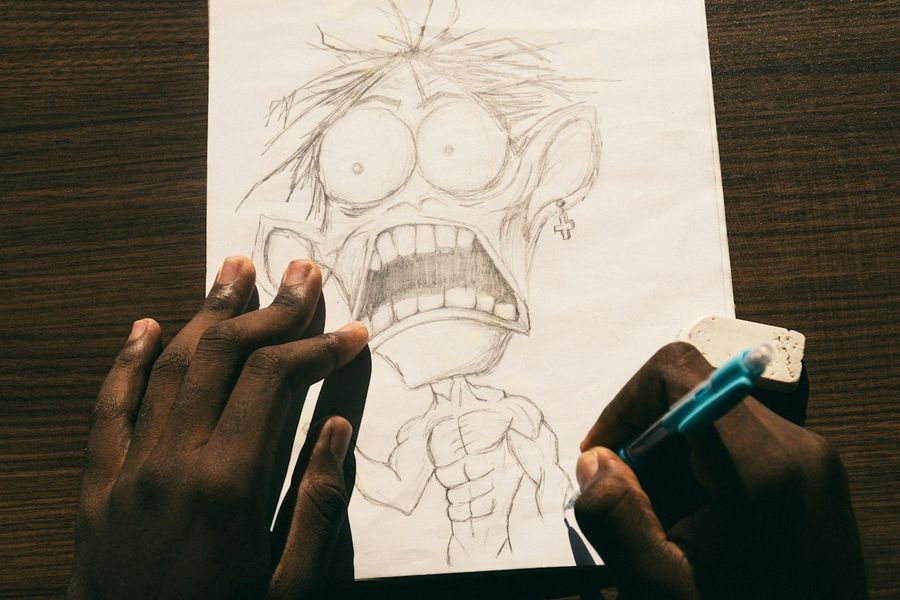
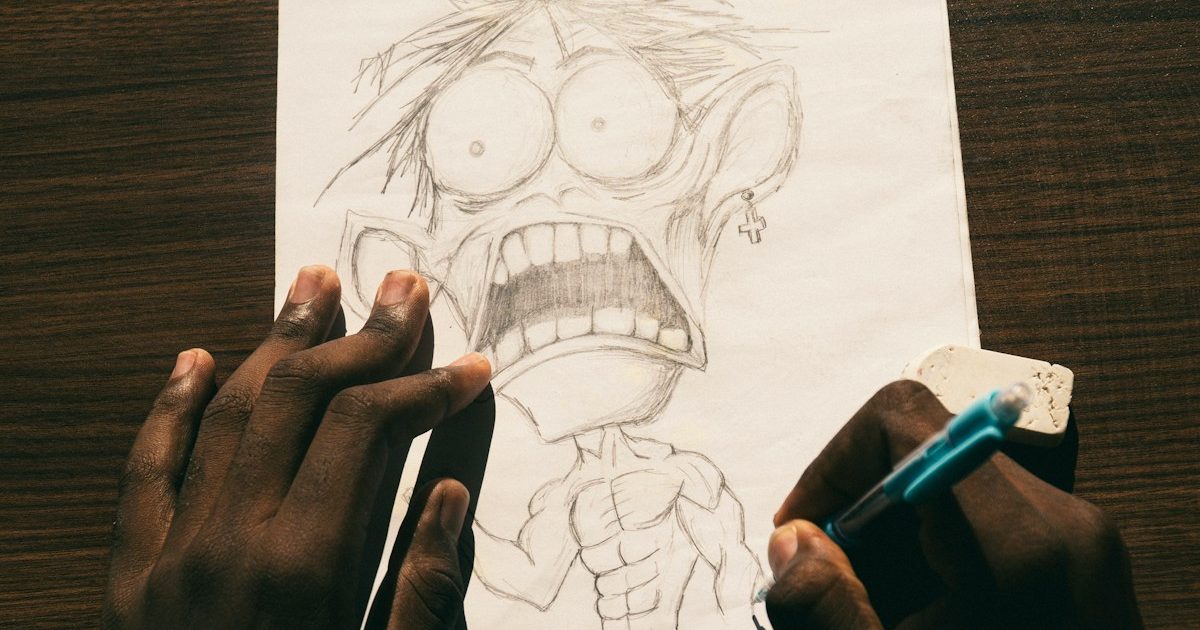
Drawing & painting
Sketch out ideas and bring them to life on paper.
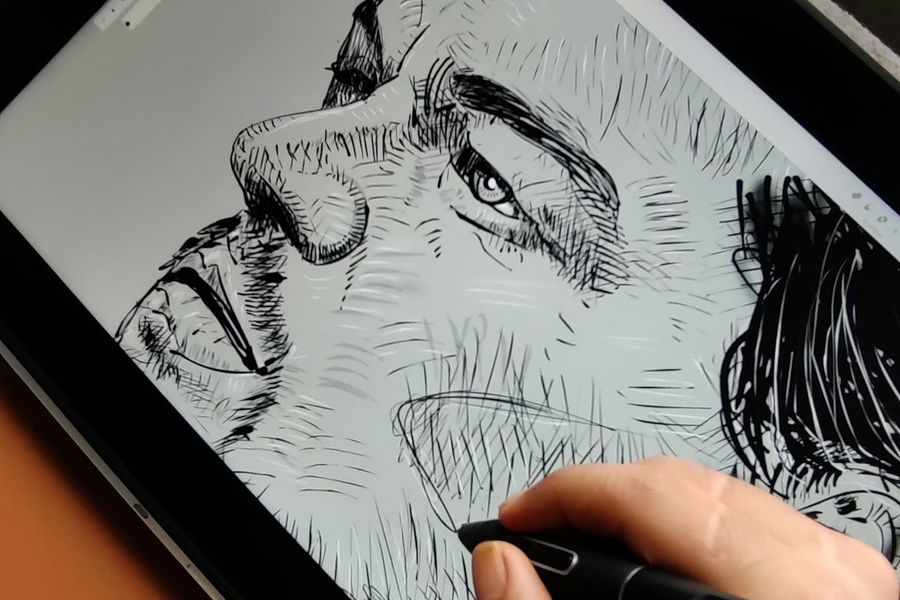
Digital design
Create graphics, layouts and visual concepts on screen.
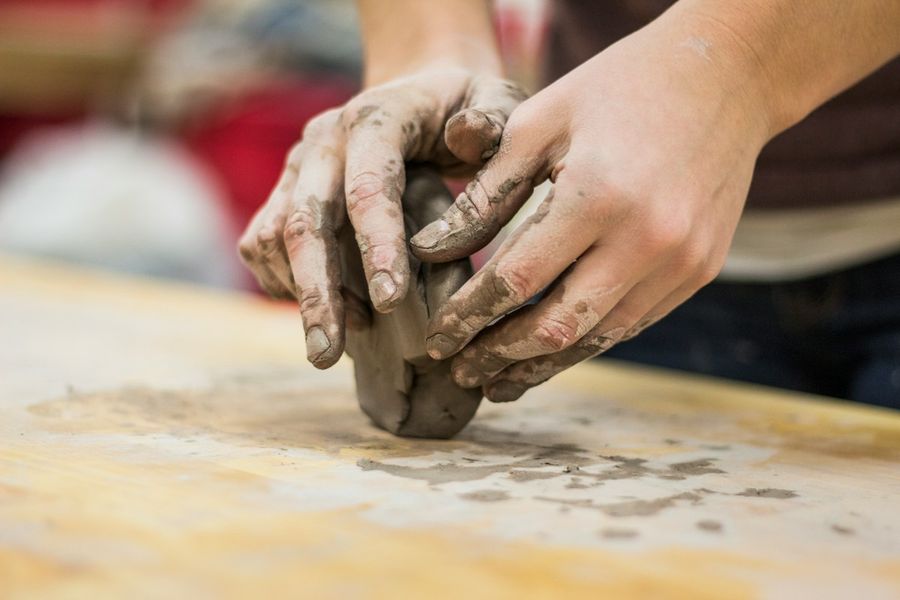
Making something
Paint, build or customise something by hand.
Tap a card to see matching careers
Every career below is on this page, with what the job involves and how people get in.
Where Art & Design can take you
Six worlds of art and design careers
Tap a world to see real careers, what people do all day, and the usual way in. These are examples, and entry routes vary.

See the 4 careers
Animator
Brings characters and objects to life for films, TV, games and adverts, drawing by hand, using 3D software or moving models frame by frame for stop motion.
Usual route: animation degree or college course, or a creative apprenticeship. A showreel of your work matters most.
Games artist
Designs the characters, worlds and objects players see in video games, from first sketches to finished 3D models.
Usual route: games art or design degree, college course or apprenticeship, plus a portfolio.
Storyboard artist
Turns scripts into drawn scenes before filming begins, so directors can plan every shot.
Usual route: illustration or animation course, and a portfolio of drawing.
VFX artist
Creates the visual effects in films and TV, from explosions to whole digital creatures.
Usual route: visual effects or animation degree, or an apprenticeship with a studio.
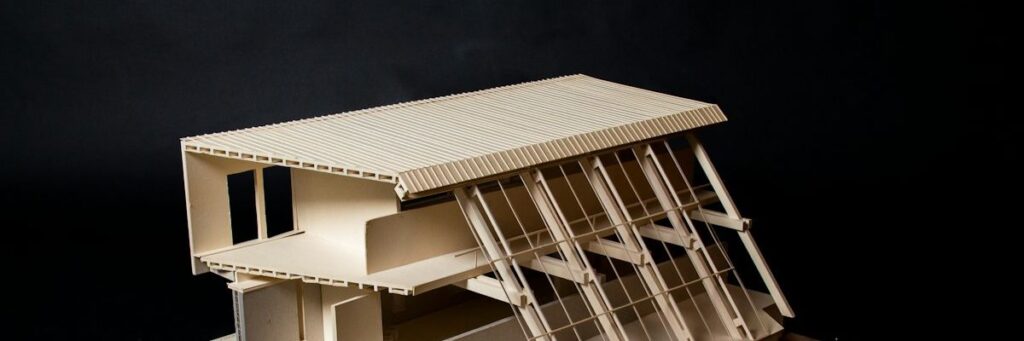
See the 4 careers
Architect
Designs buildings and the spaces around them, balancing how they look with how people will use them.
Usual route: architecture degree plus professional training, usually about seven years in total, or an architecture degree apprenticeship.
Interior designer
Plans the look and layout of homes, shops, offices and hotels: colours, materials, furniture and light.
Usual route: interior design degree or college course, plus a portfolio.
Landscape architect
Designs parks, gardens, playgrounds and public spaces that work for people and nature.
Usual route: accredited landscape architecture degree.
Set designer
Designs and builds the sets for theatre, film and TV, from sketches and scale models to the real thing.
Usual route: theatre or production design course, and experience on productions.
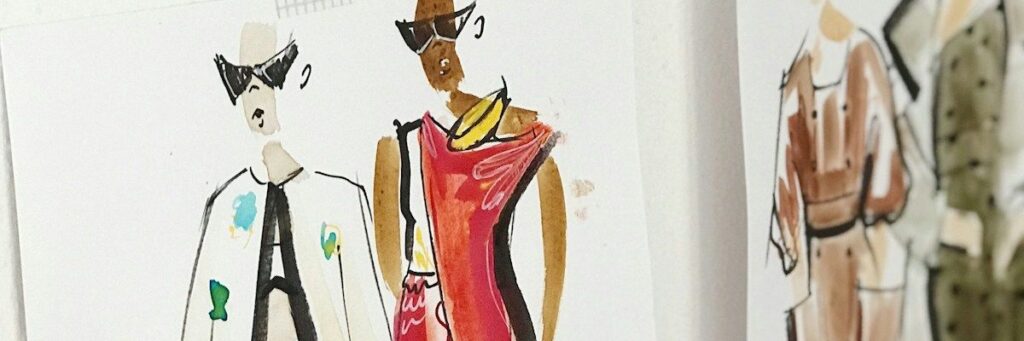
See the 5 careers
Fashion designer
Designs clothing and accessories, from first sketches and fabric choices to samples and finished collections.
Usual route: fashion degree or college course, or an apprenticeship with a brand.
Textile designer
Creates the patterns, prints and fabrics used in clothes, furniture and interiors.
Usual route: textile design degree or college course.
Jewellery maker
Designs and makes rings, necklaces and other pieces by hand, using metals, stones and specialist tools.
Usual route: jewellery or craft course, or a craft apprenticeship.
Product designer
Designs everyday objects, from furniture and toys to phones and kitchen tools, so they look good and work well.
Usual route: product or industrial design degree, or an engineering or design apprenticeship.
Costume maker
Cuts, sews and fits the costumes worn in theatre, film and TV.
Usual route: costume or fashion course, or an apprenticeship with a theatre.

See the 5 careers
Graphic designer
Creates logos, posters, packaging, websites and social media graphics that get a message across.
Usual route: graphic design degree or college course, or a creative apprenticeship.
Photographer
Takes and edits photos for news, fashion, products, events or weddings. Many work freelance, running their own business.
Usual route: photography course or apprenticeship, and a strong portfolio.
UX designer
Designs how apps and websites work and feel, so people find what they need easily.
Usual route: design or digital degree, or a digital apprenticeship.
Art director
Leads the visual style of adverts, magazines, games or films, guiding a team of designers, illustrators and photographers.
Usual route: design or art degree, then several years of design work before stepping up.
Illustrator
Draws pictures for books, magazines, games, packaging and adverts, by hand or digitally.
Usual route: illustration degree or college course, and a portfolio.
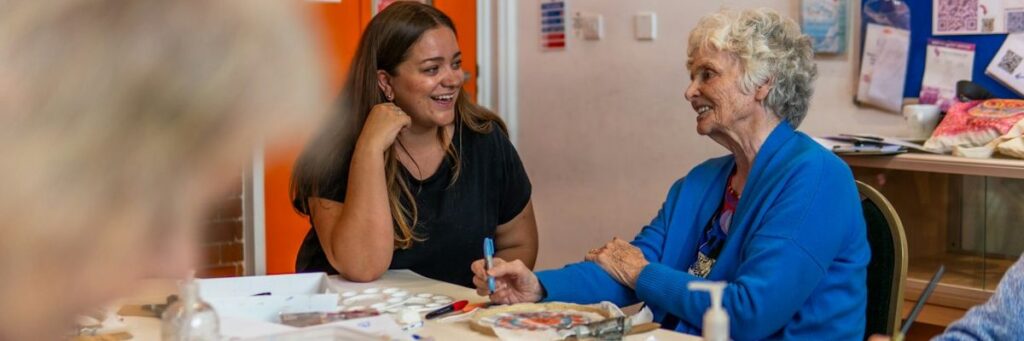
See the 3 careers
Art therapist
Uses art to help people explore feelings and experiences, working in the NHS, schools, prisons and charities.
Usual route: a degree, then an approved master’s in art therapy and registration with the Health and Care Professions Council.
Art teacher
Teaches art and design in schools or colleges and helps students build their own portfolios.
Usual route: art degree plus teacher training, or a teaching apprenticeship.
Medical illustrator
Creates accurate drawings, animations and photos to explain anatomy and medical information to patients and doctors.
Usual route: degree in art or a science, then specialist training in medical illustration.
See the 4 careers
Fine artist
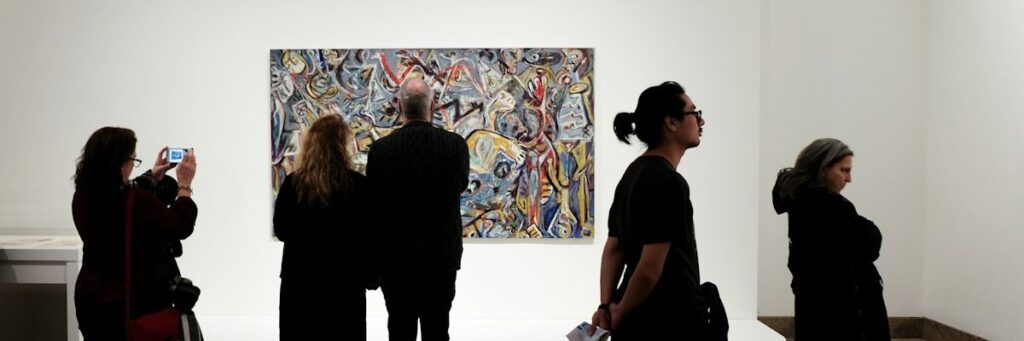
Creates original paintings, sculptures, prints or digital art to exhibit and sell in galleries and online. Many work freelance alongside teaching or other creative work.
Usual route: fine art degree, often after a Foundation Diploma. Your portfolio counts most.
Curator
Looks after a museum or gallery collection, researches it and decides what goes on show in each exhibition and how the story is told.
Usual route: degree in art history, history or a related subject, often with a master’s and volunteering experience.
Exhibition designer
Designs the layout, displays, lighting and graphics of exhibitions so visitors can explore them.
Usual route: design degree, such as 3D, interior or graphic design.
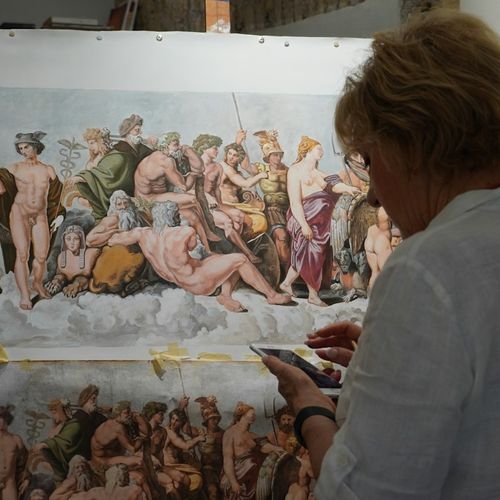
Conservator
Uses science and specialist techniques to examine, protect and restore paintings, sculptures and other objects.
Usual route: degree, then specialist conservation training, often at master’s level.
Want more ideas? If your school uses MyFutureChoice, you can explore 550+ career profiles in WORKBRIEF.
Myth-buster
Art careers in the creative industries
But you can’t get a real job in art!
Around
1 in 8
UK jobs are in the creative economy: 4.3 million in 2025
Includes all jobs in the creative industries and creative jobs in other industries. Source: DCMS Economic Estimates: Employment, 2025.
Conservator, medical illustrator, storyboard artist
Real jobs that need art skills, and most people have never heard of them.
…Didn’t expect that?
Skills you’re building
Creative skills every employer wants
Creative skills are not just for creative jobs. If you have done any of these, you already have something to put on a CV or personal statement.
Changed your idea after feedback?
Using feedback
Taking criticism and improving your work is how designers, architects and engineers work every day.
Started again when something didn’t work?
Resilience
Trying again after a setback is one of the qualities employers ask about most in interviews.
Finished a piece on time?
Managing a project
Planning a coursework project from first idea to final piece is project management.
Explained your creative choices?
Communicating ideas
Presenting and explaining your work builds communication skills you need in pitches, meetings and interviews.
More than one way in
Routes into a creative career
There is no single path. You can study, take a technical course or earn while you learn, and switch later.
At 16

Study
A levels in Art & Design (Highers and Advanced Highers in Scotland).

Technical
College diplomas in art and design.

Apprenticeship
Creative apprenticeships, such as craft or creative media.
Later
Study
An art or design degree, directly or via a Foundation Diploma.
Technical
An HNC or HND at college.
Apprenticeship
Higher-level apprenticeships, where available.
Your questions
Art and design careers: common questions
Found something interesting?
Here’s what to do next.
Talk to your careers adviser
Tell them which careers caught your eye. They can help you check the subjects and routes you need.
Explore careers in MyFutureChoice
If your school uses MyFutureChoice, log in to find out which career areas suit your interests and research 550+ careers in WORKBRIEF.
Start a portfolio
Keep your best sketches, photos, designs and models in one place, and note what you learned from each. Colleges, universities and employers will ask to see it.
MyFutureChoice · Art & Design careers · myfuturechoice.com
Checked September 2026 · UK edition. Careers are examples; entry routes vary. Teachers: get the free careers posters.